Dairy Industry Effluent Treatment Plant (ETP)
Specialised treatment for dairy wastewater
Dairy effluent contains high organic load (lactose, proteins, fat), suspended solids, and fluctuating pH and flow. Efficient treatment requires robust equalization, effective FOG (fat, oil & grease) removal, followed by biological degradation and polishing for discharge or reuse. Our dairy ETPs are optimised for stable BOD removal, low sludge handling and easy O&M.
Overview — Dairy ETP (5–300 KLD)
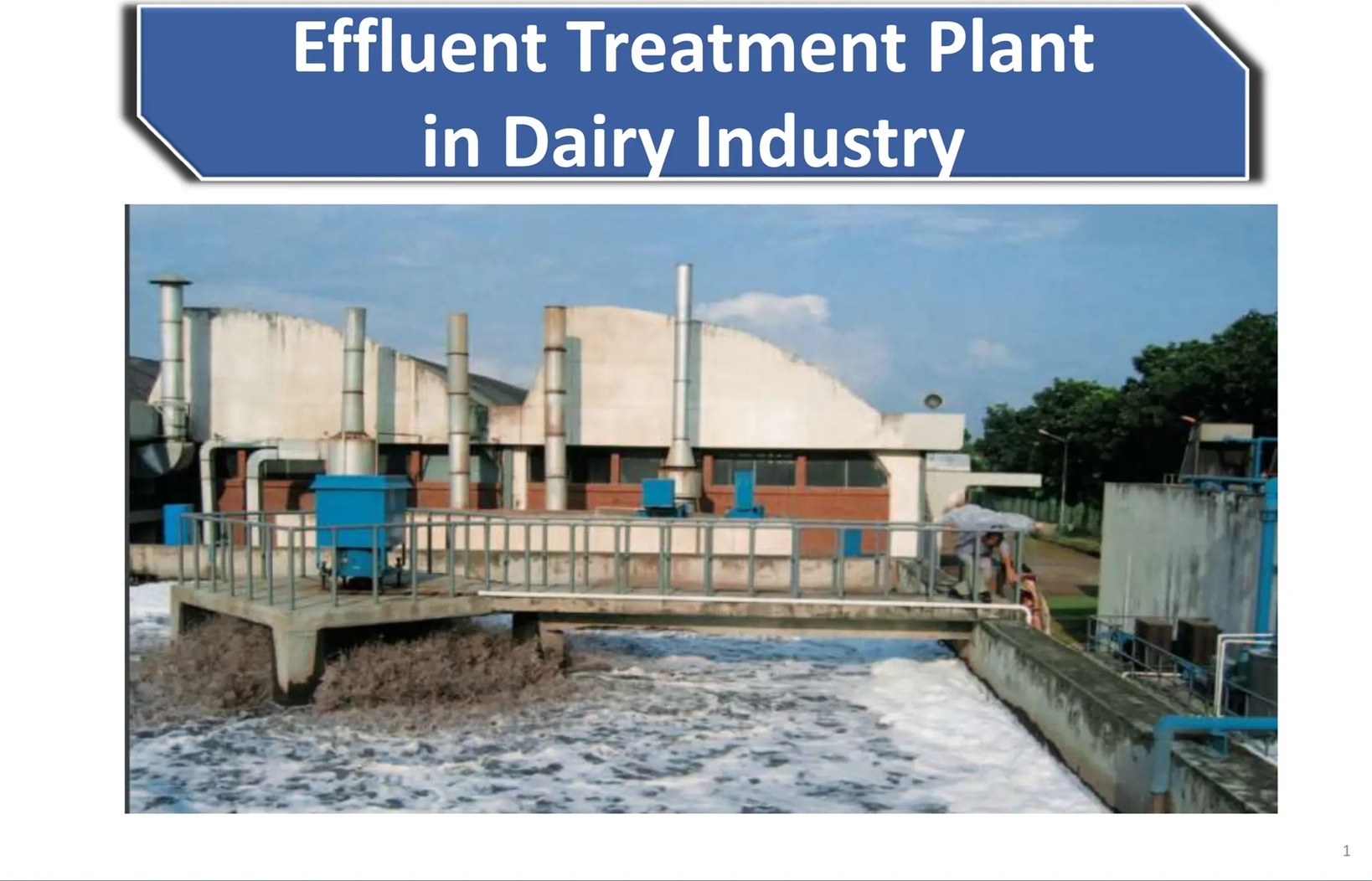
Our dairy ETP solutions handle effluents from milk reception, processing lines, wash water, whey drains and butter/oil processing. Core objectives: reduce BOD/COD, remove FOG and solids, stabilise pH and deliver treated water suitable for irrigation, cooling or further polishing (UF/RO) for reuse.
Capacity flexibility: 5 KLD — 300 KLD. We customise reactor volume, equalization sizing and FOG handling per site load profile.
Recommended Process Flow (Typical Dairy ETP)
Recommendation: MBBR is preferred for compact footprint and stable performance; SBR works well for batchy operations or seasonal dairy plants.
Typical Technical Specifications — 20 KLD Example
| Design Flow | 20 KLD (scalable: 5–300 KLD) |
| Typical Influent | pH 4.5–9, BOD 1000–8000 mg/L (varies), COD 2000–15000 mg/L, TSS 200–2000 mg/L, FOG 50–1000 mg/L |
| Primary Treatment | Screening, FOG trap, equalization |
| Biological Treatment | MBBR / SBR with adequate HRT & aeration |
| Treated Quality (typical) | BOD < 50 mg/L (after biological + polishing), SS < 30 mg/L; FOG < 5 mg/L after polishing |
| Polishing | Sand / Carbon / UF / RO (for reuse) |
| Sludge Handling | Sludge thickener + filter press / centrifuge (optional) |
| Automation | PLC with pH, DO, level sensors (optional) |
| Power estimate | Typical package load: 3–10 kW for 20 KLD depending on blowers & pumps |
*Final guarantees depend on influent variability & chosen polishing steps. Pilot testing recommended for very high-strength whey or condensate streams.
Scope of Supply — Typical Package
Process Equipments
- FOG / grease traps, equalization tanks
- Pumps, mixers, aeration blowers
- MBBR carriers, diffusers, media
- Clarifiers, filter vessels, carbon vessels
Mechanical & Electrical
- Pumps & motors, blowers
- MCC, control panel, PLC & HMI
- Chemical dosing pumps & storage
Services
- Sample analysis & pilot testing
- Civil drawings & foundation details
- Site erection, commissioning & training
Key Advantages
- Effective FOG removal to protect downstream biology
- Stable biological degradation for high lactose & protein loads
- Low sludge generation with optimized biological control
- Modular systems for quick installation and expansion
- Options for water reuse — cooling, wash water, or process after polishing
Frequently Asked Questions
A: Yes — after UF/RO polishing treated water can be reused for cooling, CIP wash (non-product contact) or landscaping. For product-contact reuse strict microbiological control & validation is required.
Q: How is FOG handled?A: Primary FOG traps and DAF remove free & emulsified fats. Chemical dosing (coagulants) helps destabilize colloidal fats before clarification.
Q: Do you provide pilot testing?A: Yes — jar tests, pilot reactors and DAF trials are recommended for high-strength whey and variable loads.
Request Quotation / Site Visit
Share: Site location • Daily flow (KLD) • Sample analysis (pH, BOD, COD, TSS, FOG, TDS) • Consent limits to achieve. We will provide a technical proposal & budgetary estimate.
Want a PDF spec-sheet for 20 KLD Dairy ETP? Reply “Send PDF” and I will prepare a downloadable spec-sheet with BOM & estimate.