Uses of STP Treated Water — Practical Applications & Guidance
RRR Enviro Systems • Chennai — STP | MBBR | ASP | SBR • Call / WhatsApp: +91 99623 95875
Common Uses of STP Treated Water (Main Purposes)
1. Toilet Flushing
Why: Large reduction in potable water use.
Tamil: கழித்தறை நீர்விரவு.
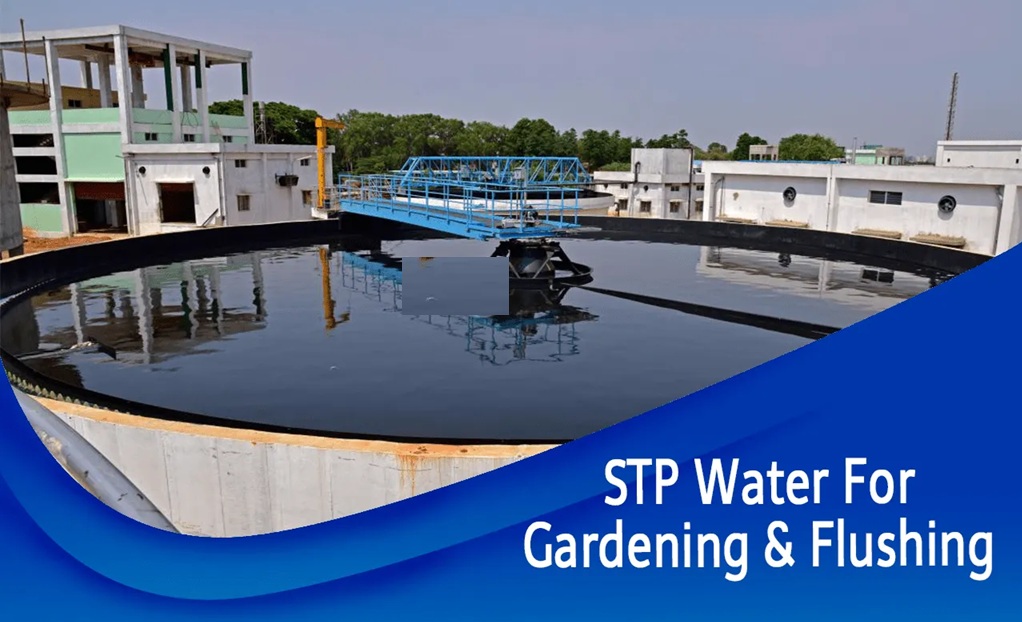
2. Landscaping & Gardening
Why: Lawns, trees, plants, public parks — saves municipal/borewell water.
Tamil: தோட்டபணிகள் மற்றும் செடிகள்.
3. Cooling Tower Make-up
Why: Industrial HVAC cooling towers can use treated water after proper filtration & hardness control.
Tamil: குளிர்ப்ப அணுகல் நீர் (Cooling tower).
4. Construction Uses
Why: Curing, concrete mixing (non-potable uses), dust suppression on sites.
Tamil: கட்டுமான பணிகள் (curing, mixing).
5. Car & Vehicle Washing
Why: After polishing/filtration (sand + carbon) for better clarity — ideal for wash bays.
Tamil: கார் கழுவுதல்.
6. Floor Cleaning & Housekeeping
Why: Mopping & general cleaning in commercial buildings, factories, warehouses.
Tamil: தரை சுத்தம் மற்றும் பராமரிப்பு.
7. Fire-Fighting Tank Filling
Why: Local norms often allow treated wastewater to fill dedicated fire tanks (check local regulations).
Tamil: தீ அணைக்கும் tangks.
8. Groundwater Recharge / Percolation
Why: Indirect reuse via percolation pits or recharge wells after polishing; reduces groundwater stress.
Tamil: கனிக் நீர் சீரமைப்பு (recharge).
9. Irrigation (Non-food / Ornamental)
Why: Suitable for lawns, timber / ornamental trees, and landscaping. Avoid use on raw edible crops unless advanced treatment used.
Tamil: இலவச பயிர்கள் (non-edible) irrigation.
10. Road Dust Suppression
Why: Spraying on construction roads / yards to suppress dust — economical reuse.
Tamil: தூசு குறைப்பு (dust control).
How to Ensure Safe Reuse (Precautions & Polishing)
- Match treatment level to use: E.g., toilet flushing needs basic treatment (BOD & TSS reduction). Cooling towers require lower solids & hardness — add sand/carbon filters and softeners if needed.
- Polishing filters: Pressure sand filter (PSF), activated carbon (GAC), micron cartridge filters, and UV disinfection where pathogen control is required.
- Regular monitoring: Test BOD, TSS, pH, turbidity, faecal coliforms/colony counts as per local standards (CPCB / TNPCB).
- Prevent cross-connection: Use colour coding, separate piping, and signage to avoid mixing treated water with potable supply.
- Storage & distribution: Dedicated storage tanks for treated water with closed systems and periodic cleaning.
Benefits of Reusing STP Water
- Save municipal & borewell water (sustainable water management).
- Reduce water costs — lower tanker / municipal bills.
- Reduce discharge to drains — environmental compliance & reduced pollution.
- Gain green building credits (IGBC / LEED) for reuse & water efficiency.
Quick Implementation Checklist
- Decide intended reuse applications (toilet flush, landscaping, CT makeup etc.).
- Specify required quality (BOD, TSS, turbidity, residual chlorine) for each application.
- Design polishing stage (PSF / ACF / Cartridge / UV) accordingly.
- Install separate distribution lines with labelling & backflow prevention.
- Set up routine monitoring & AMC for STP + polishing units.
Want help designing a reuse system or adding polishing filters (PSF / ACF / UV)? Call / WhatsApp: +91 99623 95875 or Request a Quote. RRR Enviro Systems supplies turnkey STP, polishing filters & AMC in Chennai.
FAQs
Q: Can STP water be used for drinking?
A: Not without advanced treatment (MBR + RO + disinfection) and regulatory approval. Do not use untreated STP effluent for drinking.
Q: Is STP treated water safe for vegetables & fruits?
A: Avoid using directly on edible crops unless additional treatment and verification are done. Use only for non-food irrigation or use treated water that meets agricultural reuse standards.
Q: How often should treated water quality be tested?
A: For reuse systems, weekly monitoring of key parameters (TSS, turbidity, residual chlorine) and monthly microbiological tests are recommended; follow local regulatory schedules.